

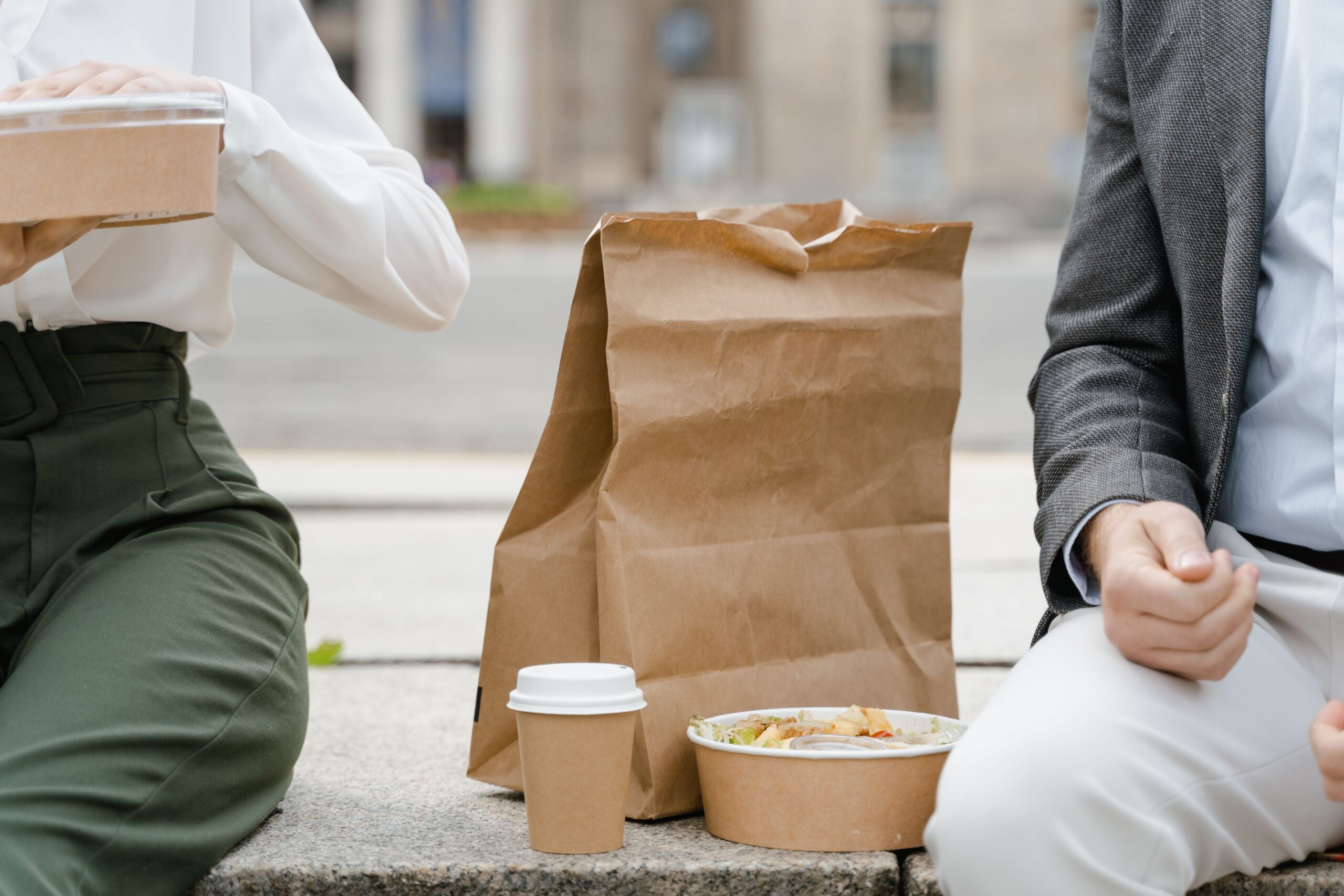
Paper packaging has become a common choice for takeaway food, but not every paper container works the same way.
A paper tray may be perfect for fried snacks, while a deeper bowl is more practical for noodles, rice dishes or meals with sauce. A lunch box may work well for complete meals, while a paper cup is designed around an entirely different type of service.
For F&B businesses, choosing the right paper packaging for food should come down to what is being served, how it will be handled and how long it needs to travel before reaching the customer.
What Should You Consider When Choosing Paper Packaging for Food?
Before choosing a packaging format, start with the food itself. Some of the most important factors include:
- whether the food is dry, oily or moist
- serving temperature
- portion size
- whether the food needs a secure lid
- how far it will travel
- whether the packaging needs to stack easily
- how important presentation is to the customer experience
A good takeaway container should protect the food without being unnecessarily large or complicated.
That means the best paper packaging is usually the one that fits the food closely rather than simply using one container for everything on the menu.
The Main Types of Paper Food Packaging
Kraft Paper Lunch Boxes
Kraft paper lunch boxes provide an enclosed format for everyday takeaway meals.
Compared with an open tray, the box-style design makes it easier to keep a meal contained while still offering convenient access when the customer is ready to eat.
They can be particularly useful for businesses that want:
- a compact takeaway format
- straightforward portioning
- an enclosed meal container
- easy packing during busy service periods
- a clean kraft-paper presentation
Lunch boxes also work well where businesses want to standardise a common takeaway format across several menu items.
Paper Bowls
Paper bowls offer more depth than lunch boxes or trays, making them useful where greater containment is required.
Their deeper shape can make packing easier when meals contain several ingredients or need more vertical space inside the container.
Paper bowls are also commonly paired with compatible lids, making the complete format useful for takeaway and delivery applications where the food needs to remain covered.
When choosing a paper bowl, businesses should consider:
- bowl capacity
- depth
- lid compatibility
- stackability
- portion presentation
- intended food application
Paper Food Trays
Paper trays take a simpler, more open approach.
Instead of fully enclosing the food, they provide an easy serving surface that can work well for quick-service counters, food stalls, bakeries and other businesses where convenience and presentation matter.
Their open format makes food easy to:
- serve quickly
- display
- access
- carry over shorter takeaway journeys
Because trays use a different format from bowls or lunch boxes, they are generally better suited to situations where a fully enclosed container is not required.
Paper Cups
Paper cups are designed specifically around beverage service.
Their construction, size and wall type can vary depending on the drink and how it will be served.
Businesses may need to consider:
- cup capacity
- single wall or double wall construction
- heat insulation
- lid compatibility
- takeaway handling
- custom printing
For cafés and beverage businesses, paper cups can also become part of the brand experience through printed designs or logos.
For a more detailed look at cup construction, see Single Wall vs Double Wall Paper Cups.
Lids for Paper Packaging
Lids deserve their own consideration because they can significantly change how a bowl or cup performs during takeaway.
The right lid can help with:
- carrying
- stacking
- keeping food or drinks covered
- reducing spills
- improving customer convenience
Rather than treating lids as a separate afterthought, businesses should select containers and compatible lids together.
How Different Paper Packaging Formats Compare
Each of them solves a slightly different operational problem.
| Paper Packaging Type | Format | Main Strength | Best Operational Use |
|---|---|---|---|
| Kraft Lunch Box | Enclosed box | Easy meal packing and portioning | Everyday takeaway meals |
| Paper Bowl | Deep container | Greater depth and lid compatibility | Meals requiring more containment |
| Paper Tray | Open tray | Fast serving and easy access | Snacks, bakery items and counter service |
| Paper Cup | Beverage container | Designed around drink service | Coffee, tea and takeaway beverages |
| Compatible Lid | Closure / accessory | Improves handling and coverage | Takeaway and delivery applications |
The best option depends less on whether one product is “better” and more on which type of packaging fits the way the business serves the product.
Comparing Paper Bowls, Trays and Lunch Boxes
| Factor | Paper Bowl | Paper Tray | Kraft Lunch Box |
|---|---|---|---|
| Format | Deep container | Open, shallow tray | Enclosed box-style container |
| Containment | Stronger for foods needing more depth | Lower containment | Good all-round containment |
| Closure | Often paired with a separate lid | Usually open | Enclosed without always needing a separate lid |
| Serving Convenience | Useful for meals with several components | Fast and easy for counter service | Practical for everyday takeaway meals |
| Presentation | Compact, deeper presentation | Food remains visible and accessible | Wider, neater meal presentation |
| Best Operational Use | Meals requiring depth or lid compatibility | Snacks, bakery items and quick-service food | Standard takeaway meals and packed portions |
Each packaging has a different role. Paper bowls are useful when depth and containment matter, trays prioritise quick serving and easy access, while kraft lunch boxes offer a practical enclosed format for everyday takeaway meals.
The right choice should therefore depend on how the food needs to be packed, carried and presented rather than simply choosing the same container for every menu item.
What Makes Paper Packaging Practical for Takeaway?
Good takeaway packaging should match the portion size and hold its shape during packing, carrying and delivery. Using the right size also helps avoid unnecessary material while keeping the food neatly presented.
The food itself matters too. Meals with more moisture, oil or sauce may need paper packaging designed to handle those conditions without becoming weak too quickly.
Where a separate lid is required, the fit should be secure and compatible with the container. This is especially important for bowls used for takeaway or delivery, where stacking and handling can affect the order.
Businesses should also think about storage and delivery time. A smaller, well-planned range of paper packaging formats is usually easier to manage and can make daily takeaway service more efficient.
Do You Need One Paper Packaging Type or Several?
Using one paper container for the entire menu may sound simpler, but it is not always the most practical approach.
A better strategy is often to create a small, purposeful packaging range.
For example, an F&B business might use:
- one lunch box format for standard meals
- one paper bowl for deeper portions
- one tray for lighter items
- paper cups for beverages
- compatible lids where needed
This still keeps procurement manageable while giving staff the right packaging for different service situations.
The goal is not to stock as many packaging products as possible. It is to choose enough formats to cover the menu without unnecessary duplication.
Building a Practical Paper Packaging Range
A good packaging setup should make takeaway service easier rather than adding more decisions during busy periods.
Start by grouping menu items according to the type of packaging they need. From there, businesses can narrow the range down to a few sizes and formats that handle most day-to-day orders.
LCCS Food Packaging supplies paper bowls, kraft paper lunch boxes, paper trays, paper cups and compatible lids for different F&B applications.
Choosing across these packaging type allows businesses to build a more organised takeaway setup instead of relying on one container type for every product.
Choosing the Right Paper Packaging
There is no single paper packaging variation that works for every takeaway business. Paper bowls, trays, lunch boxes and cups each serve a different purpose depending on how the food needs to be packed, carried and served.
The best choice is the one that fits the product, portion size and takeaway journey while remaining practical for daily operations. A small, well-planned mix of different variation is usually more useful than trying to use one container for everything.